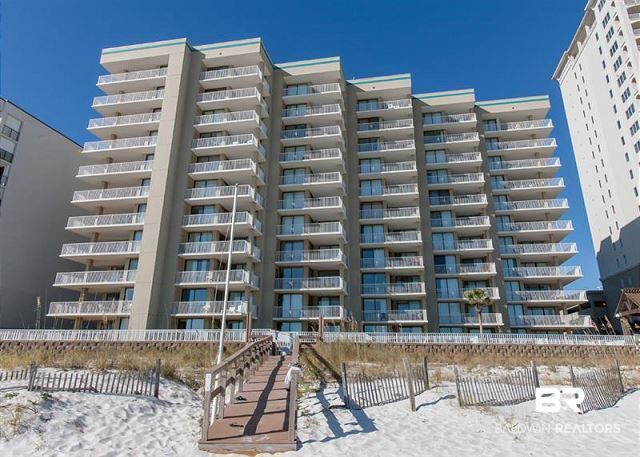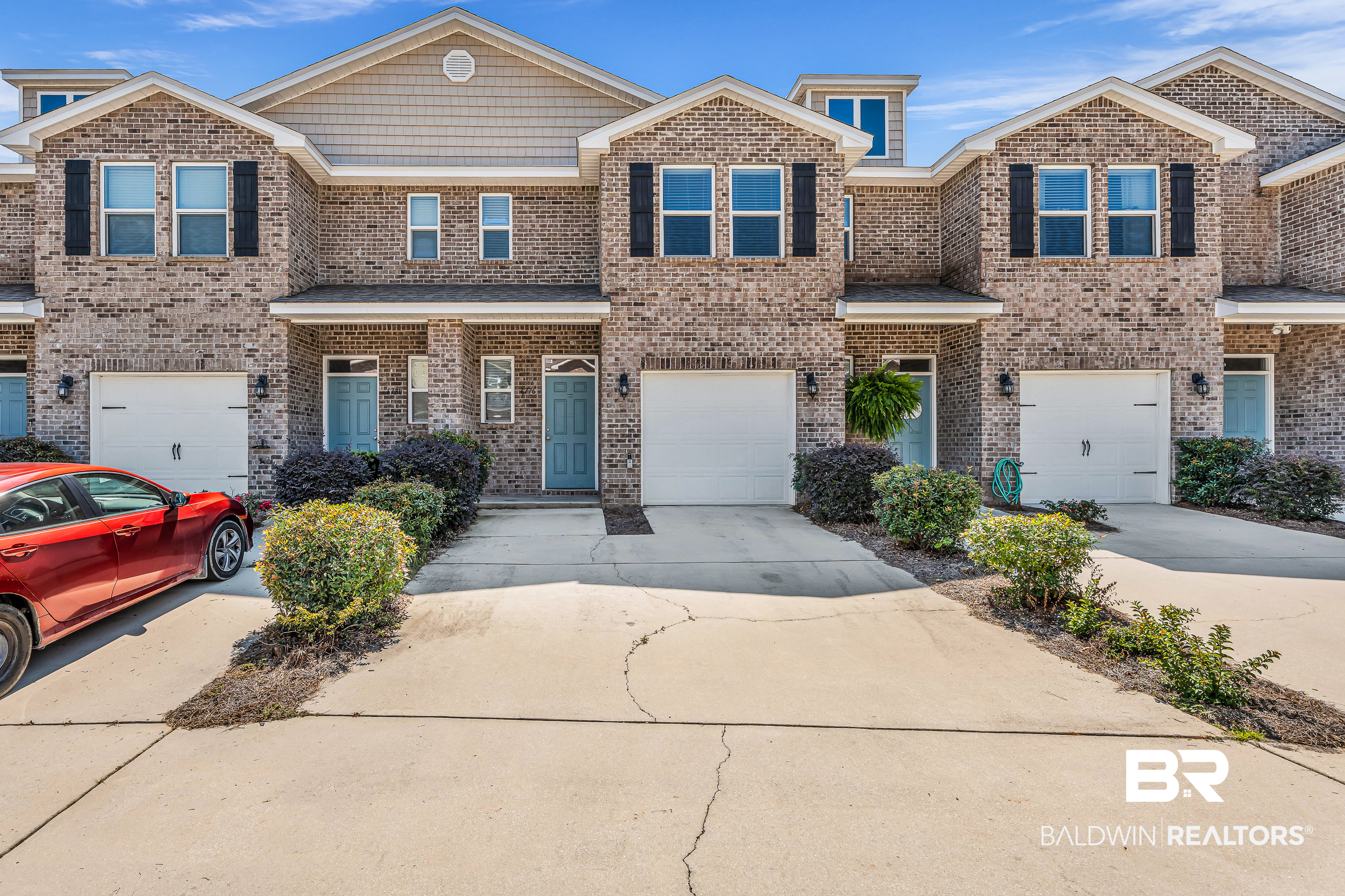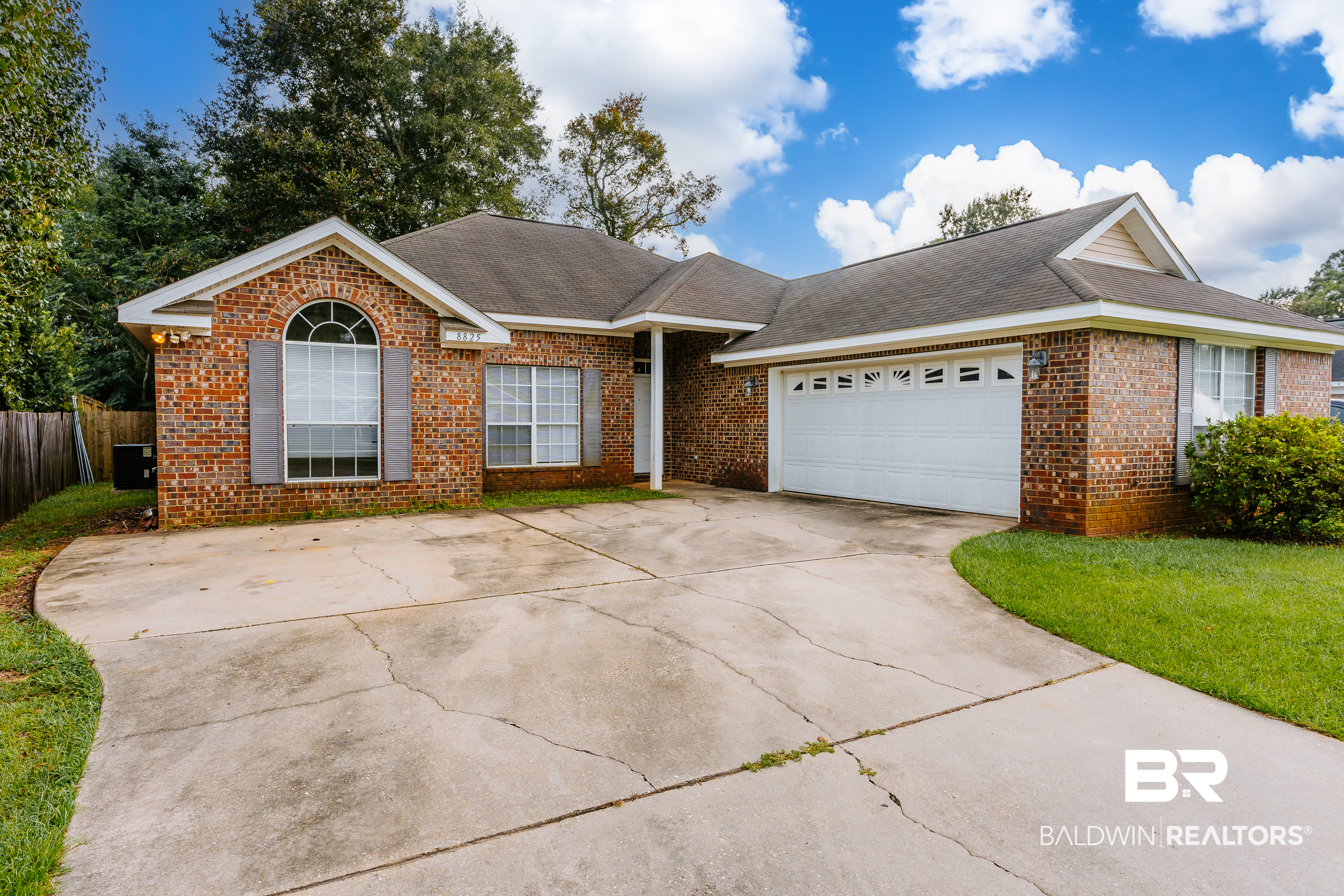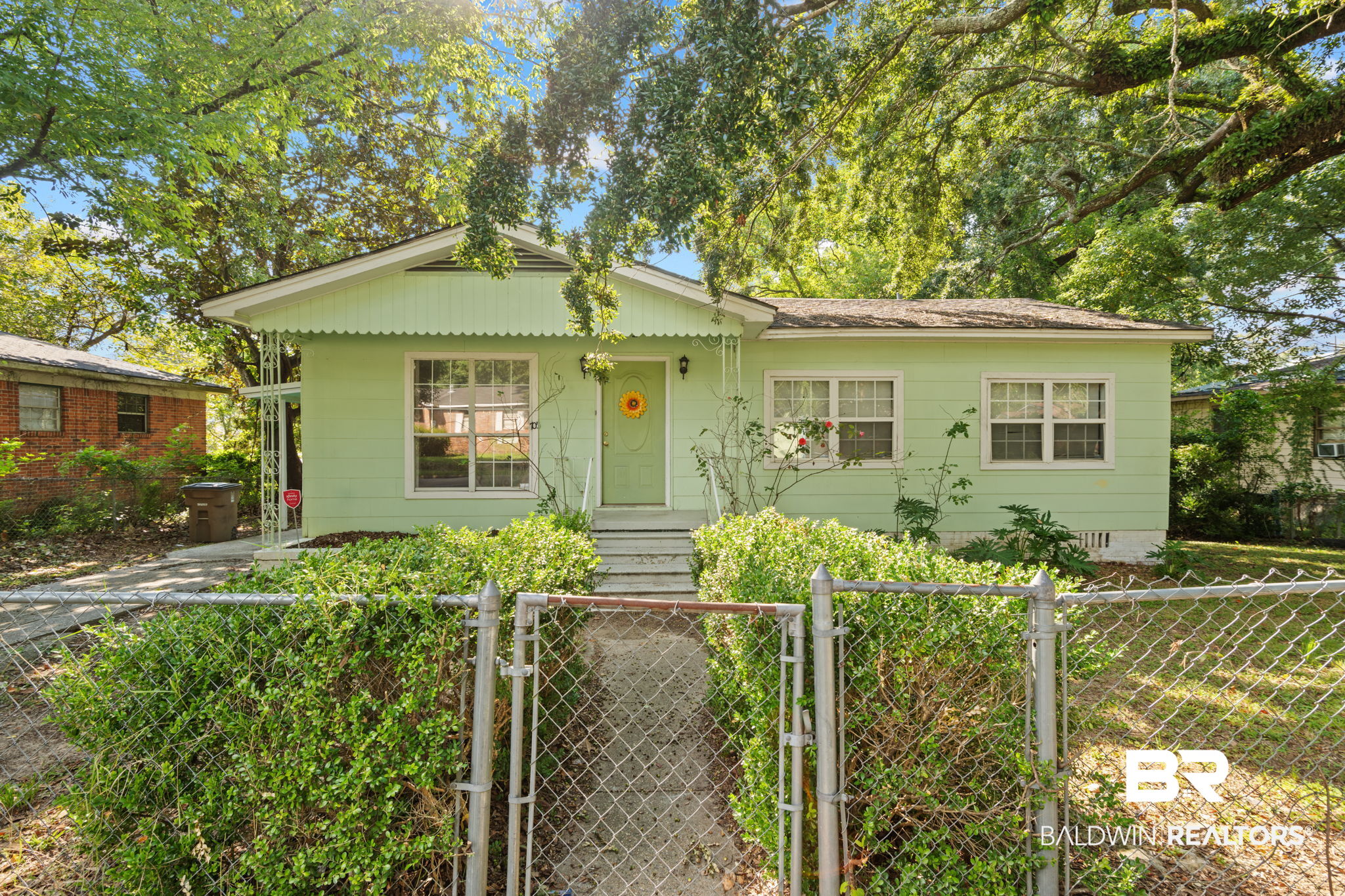

As a prospective homebuyer or seller, knowing what affects property value is crucial for making informed decisions. Whether you’re investing, upgrading, or selling your home, this article will give you the insights you need to maximize your property’s potential. From location to curb appeal, we’ll explore the top seven factors that can significantly impact your home’s value.
1. Location, Location, Location
The old adage "location, location, location" holds true when it comes to property value. The neighborhood, proximity to amenities, and overall desirability of an area can dramatically influence the price tag of a home. Carefully research the local market trends, community features, and future development plans to understand how a property's location can enhance or diminish its value.
2. Home Size and Layout
The square footage, number of bedrooms and bathrooms, and overall floor plan of a home can significantly impact its value. Larger homes with efficient, well-designed layouts tend to command higher prices, as they offer more living space and functionality. Consider how renovations or additions could potentially increase your home's square footage and appeal to a broader range of buyers.
3. Condition and Maintenance
The physical condition of a home is a critical factor in determining its value. Homes that are well-maintained, updated, and in good repair are typically more attractive to buyers and command higher prices. Invest in regular maintenance, address any necessary repairs, and consider strategic renovations to enhance your home's condition and appeal.
4. Curb Appeal and Landscaping
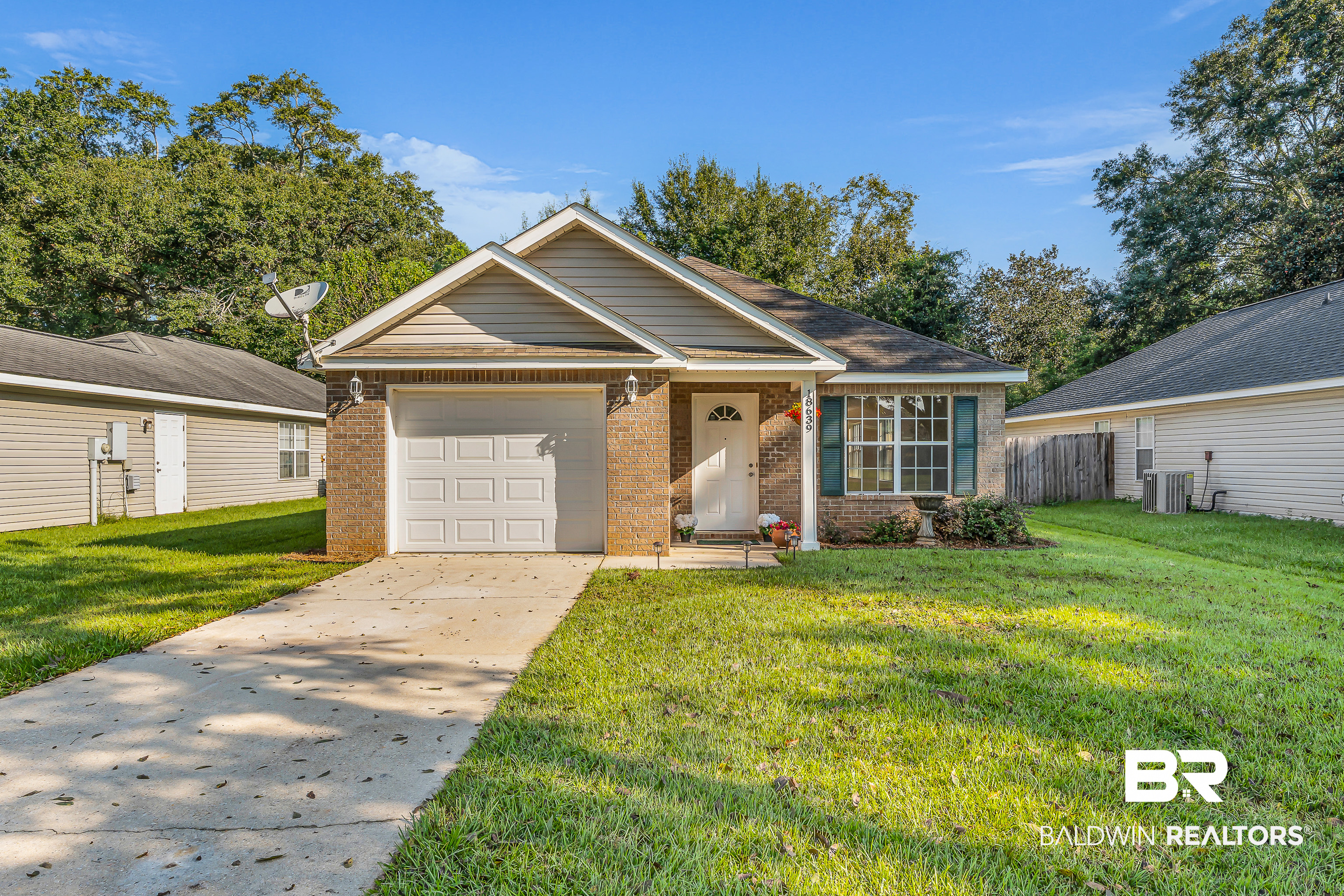
First impressions matter, and the exterior of a home can significantly influence a buyer's perception of its value. Enhance your property's curb appeal through well-maintained landscaping, a freshly painted exterior, and thoughtful design elements. An inviting and well-kept outdoor space can contribute to a higher perceived value and a more favorable buyer response.
5. Amenities and Features
Desirable amenities and features can be significant value-adding factors for a property. Things like a swimming pool, updated kitchen appliances, a finished basement, or energy-efficient upgrades can all contribute to a higher perceived value. Carefully consider which features are most appealing to your target buyer demographic and focus on enhancing those aspects of your home.
6. Market Conditions and Trends
The overall state of the real estate market can greatly influence a property's value. Factors such as supply and demand, interest rates, and the economic climate all play a role in determining the perceived worth of a home. Staying informed about market trends and timing your real estate decisions accordingly can help you maximize the value of your property.
7. Legal and Regulatory Considerations
Regulatory factors, such as zoning laws, building codes, and property taxes, can also impact a home's value. Ensuring that your property is in compliance with local regulations and understanding any potential limitations or restrictions can help you make informed decisions about pricing, renovations, and future development plans.
Taking the Next Step
By understanding these top seven factors that influence property value, you'll be better equipped to make informed decisions, whether buying, selling, or investing in real estate. Consulting with experienced real estate professionals can provide valuable insights and guidance to help you navigate the real estate market and maximize the value of your most prized asset.
Don't let the complexities of selling your home hold you back. Contact us today for personalized guidance and support to ensure a successful and stress-free sale.